01
One clear selection
Start with a horse you genuinely believe can run well. The method begins with disciplined selection—not chasing every race on the card.
A considered approach to race-day decisions
Discover the Each-Way Betting Strategy Designed to Maximize Profits While Reducing Risk.
A practical framework for reading each-way opportunities with more structure, more context, and fewer impulsive decisions.
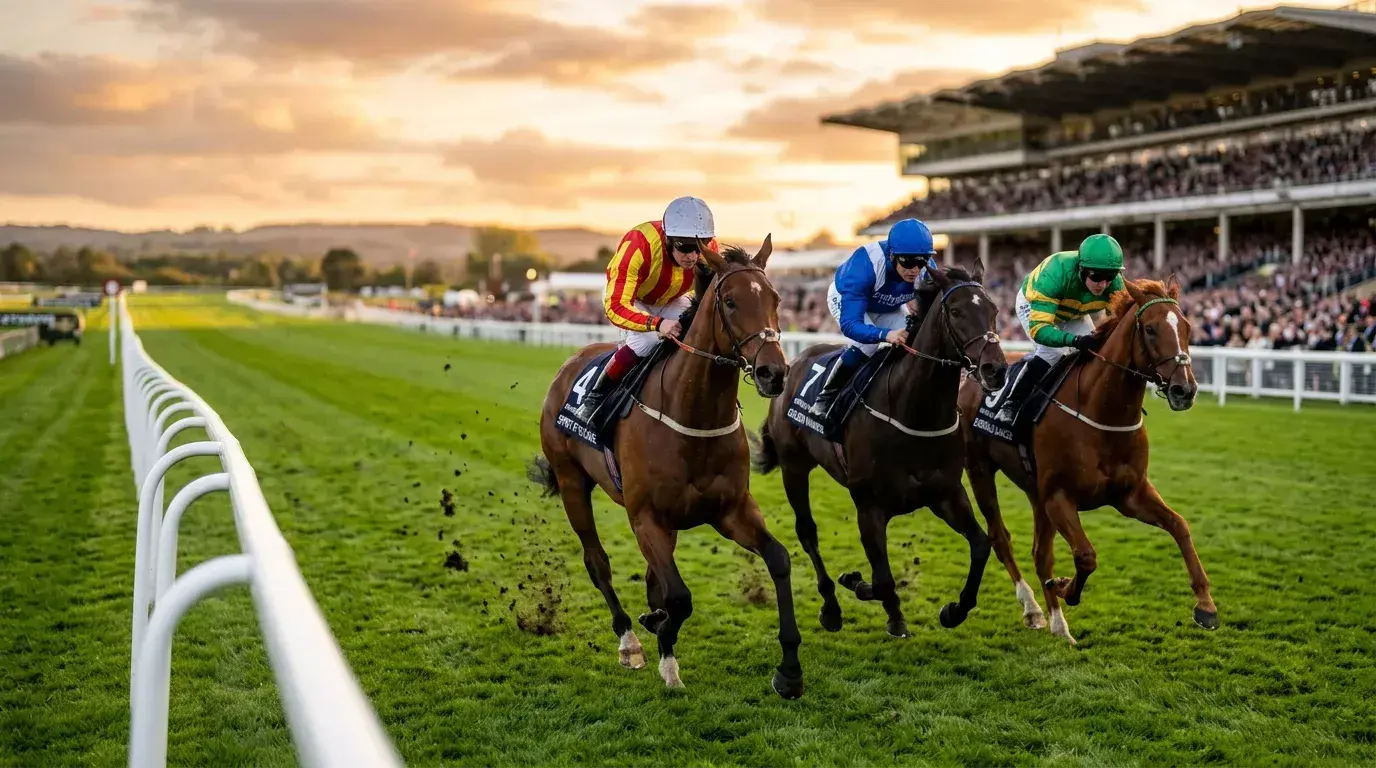
Betting does not need to feel like a split-second guess.
It can feel like a decision.
Each-Way Multiplier is built around a simple shift: stop treating each-way betting as a vague compromise between a win bet and a place bet, and start treating it as a structured decision with two connected outcomes.
When a selection wins, the win side and place side can both contribute. When it places without winning, the place side may still return something—subject to the bookmaker’s terms. That difference is the reason many race fans use each-way bets, but it is also where the details matter most.
This framework helps you slow down long enough to ask the useful questions: Is the price fair for the chance? How many places qualify? What fraction of the odds applies? Does the race shape support the selection? And is the total stake appropriate for your budget?
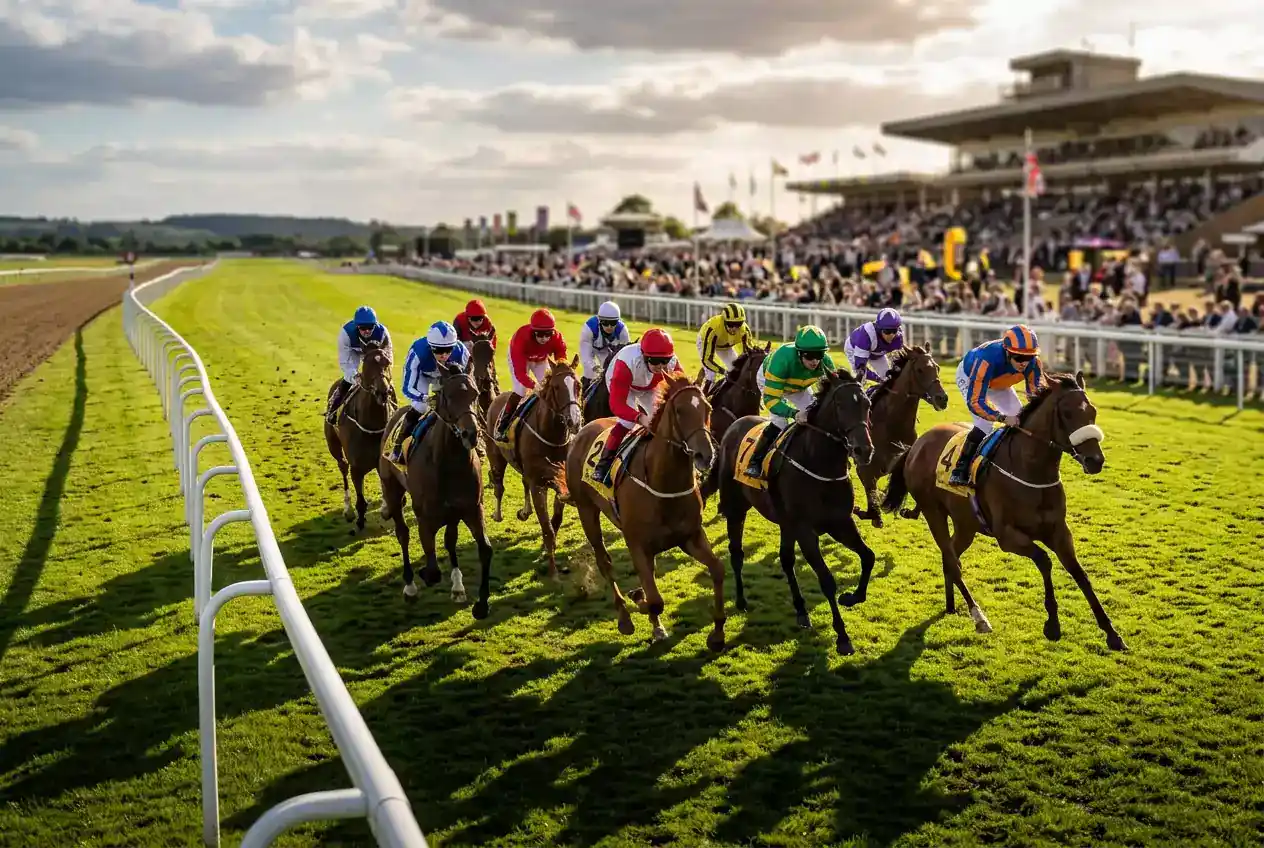 SEE THE WHOLE FIELD
Beyond the obvious favourite
Every race has a surface story: the favourite, the headline form, the last-run winner. The useful story is often underneath it. Field size, pace, draw, distance, ground, jockey bookings, recent consistency, and the bookmaker’s place terms can all change how a price should be understood.
The Each-Way Multiplier approach gives those details a place in the conversation. It does not tell you what to back. It gives you a repeatable lens for deciding whether a race deserves your attention—and when the better decision is to pass.
Read the full strategyStart with a horse you genuinely believe can run well. The method begins with disciplined selection—not chasing every race on the card.
An each-way bet combines a win element with a place element, so your stake is structured around more than one possible result.
Set your stake before you bet, understand the terms, and keep the decision inside a budget you can afford to lose.
The edge is in the process
Good betting is not about having a perfect answer every time. It is about building a process that makes your assumptions visible. Before you press place, you should know what you are backing, why the price matters, what the place terms are, and what happens to your overall stake if the result does not go your way.
That process can help separate a considered bet from a reaction to a tip, a favourite’s name, a recent result, or the pressure to have action in every race. The Each-Way Multiplier strategy is designed to be used before the bet, not invented after the result.
See the full framework
Before you place
Look beyond a single finishing position and consider pace, conditions, field size, and the level of competition.
Check place numbers, odds fractions, deductions, and whether the terms apply to the market you are selecting.
Remember that an each-way bet usually means two linked stakes. Decide the total amount first.
Define the red flags before emotion and momentum enter the decision.
A strong process includes a stop point. No race is more important than your boundaries.
The goal is not to remove uncertainty. The goal is to make sure uncertainty never removes your discipline.
— The Each-Way Multiplier principle
The most useful betting strategy is one you can explain before the race begins.
Each-way betting has a natural appeal because it acknowledges that a race can produce a strong performance without producing a winner. A horse may travel well, find the right rhythm, and finish inside the qualifying places while another runner gets the perfect run to win. The place part of the bet is designed for that possibility. The win part keeps the larger outcome in view. Together, they create a format that asks you to think about both the likely range of results and the price attached to those results.
That does not mean an each-way bet is automatically safer than a win bet. The total outlay is commonly twice the chosen stake because you are placing two linked bets. Place terms can differ between races, markets, and bookmakers. A shorter price may not offer the same place value as a bigger price, and a large field can bring additional uncertainty even when more places are available. The details are not fine print to ignore; they are part of the decision.
The Each-Way Multiplier method is a way of organizing those details. Start with the race rather than the excitement around it. Ask whether the conditions suit the horse, whether the recent form tells a consistent story, and whether the expected pace could help or hinder the selection. Consider how many runners are involved, how competitive the field looks, and whether the distance and surface match what the horse has shown before. A good-looking name or a single impressive result is not enough on its own.
Next, look at the price and the terms together. Odds are not just a signal of who is fancied; they are part of what you receive if your view is correct. The place fraction and the number of qualifying places can change the relationship between risk and potential return. Always check the live terms with the bookmaker you are using. Terms may change, and different markets can carry different conditions. This is one reason a written checklist is more reliable than memory, especially when several races are taking place close together.
Then decide your stake before the result is possible. A fixed, affordable amount makes it easier to judge the bet on its reasoning rather than on the emotion of the moment. It also stops a previous loss from becoming a reason to increase the next stake. A disciplined approach does not try to win back money quickly. It treats every race as a separate decision and keeps the total session inside a boundary you chose in advance.
There is also value in knowing when not to bet. If the terms are unclear, the price feels too short for the uncertainty, or your reasoning depends entirely on a tip you have not checked, passing is a valid outcome. Missing a winner is part of the experience of racing; forcing a bet into every race is a choice that can make a session harder to control. A strategy becomes useful when it gives you permission to wait as well as a framework for acting.
Record keeping can strengthen the process over time. Note the race, your selection, the conditions you considered, the available terms, the total stake, and the result. The purpose is not to create a story about being right every time. It is to compare your original reasoning with what actually happened. Did you consistently overlook field size? Were you drawn to recent winners? Did you underestimate how much a change in ground mattered? Reviewing decisions in calm conditions can reveal habits that are difficult to see during a live race.
Responsible betting belongs at the centre of this framework. Set age and location requirements aside from the excitement of the race and follow them fully. Never use money needed for essentials, never borrow to bet, and never treat a return as income you can rely on. If betting stops feeling recreational or your limits are difficult to keep, pause and seek support from a recognized gambling-help service in your region. A strategy should make boundaries stronger, not blur them.
Patience is part of the multiplier, too. A clear process gives you something useful to return to after a quiet day, a near miss, or a result that went against the way the race looked on paper. The aim is not to create confidence through repetition; it is to create consistency through honest review. Keep the language simple, the stake visible, and the next decision independent from the last one. That is how a strategy can support enjoyment without turning every race into a test of nerve.
Ultimately, Each-Way Multiplier is about improving the quality of the question before you place a bet. It encourages a complete view: the horse, the race shape, the price, the place terms, the total stake, and your own ability to walk away. There is no formula that can remove the unpredictability of live sport. There is, however, a better way to make your choices visible, repeatable, and easier to evaluate. That is where a thoughtful betting habit begins.
An each-way bet is two bets placed together: one for your selection to win and one for your selection to finish in a qualifying place. The place terms, including the number of places and the fraction of the win odds, vary by bookmaker and race.
Each-Way Multiplier describes a repeatable way to think about the two sides of an each-way bet. It is an educational framework for comparing race conditions, place terms, odds, and stake discipline—not a promise of profit or a guaranteed system.
No. Horse racing is uncertain, and every bet can lose. The framework is designed to make decisions clearer and risk more visible; it cannot remove variance, change outcomes, or guarantee a positive result.
Use it as a pre-race checklist. Review the race, check the bookmaker’s current terms, write down your reasoning, choose a fixed stake, and stop when your planned betting session or budget is complete.
Your next race-day read
Explore the Each-Way Multiplier guide and build a more deliberate approach to each-way betting.